Blisters on a walking holiday: prevent them, treat them
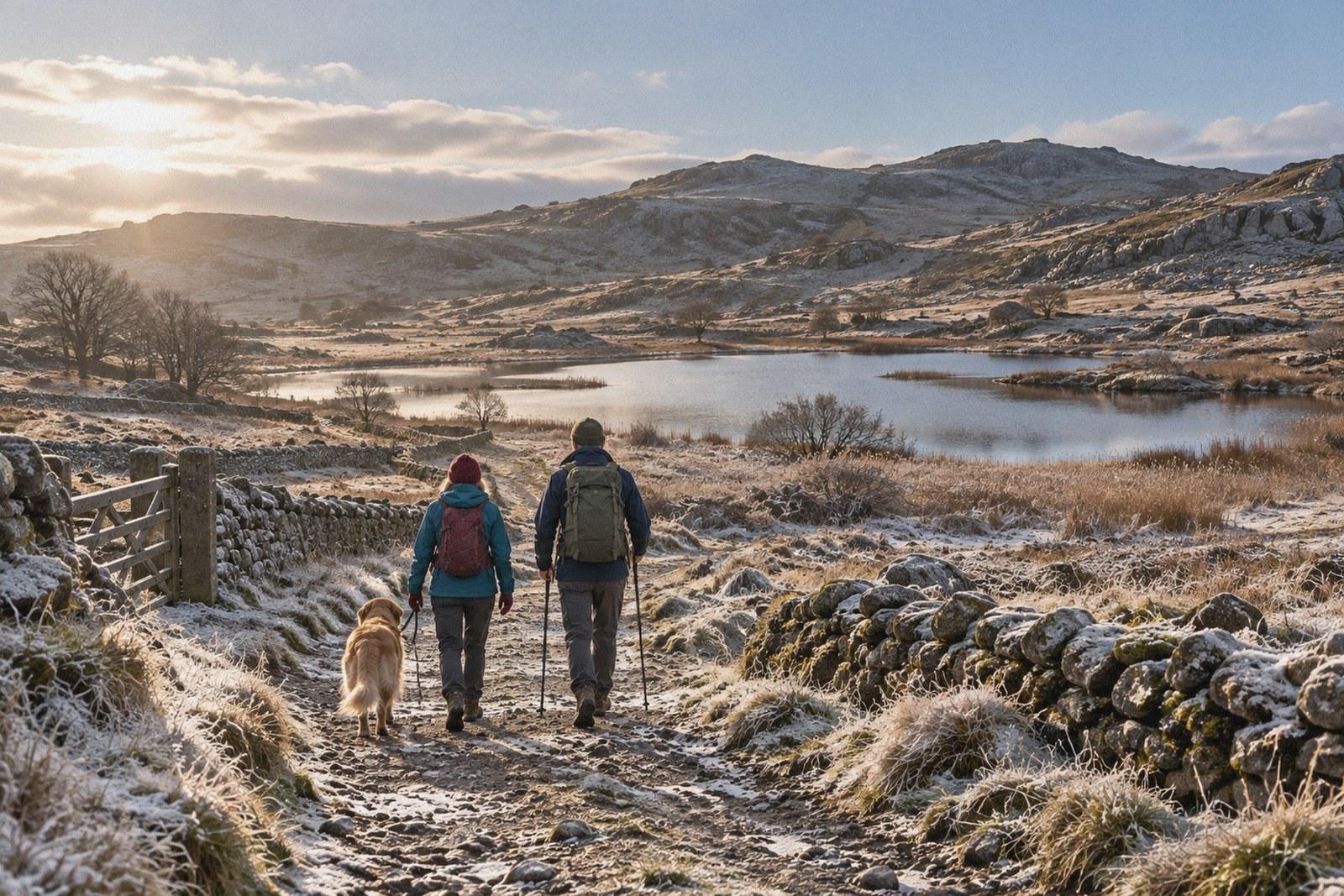
Stop the moment you feel a hot spot and pad it, before it becomes a blister. If a blister forms, the NHS says don't burst it: cover it with a soft plaster or padded dressing, and a hydrocolloid dressing can reduce pain and speed healing. Most heal in 3 to 7 days. Rest the boots that caused it if you can.
| Most blisters heal in | 3 to 7 days (NHS inform) |
|---|---|
| Should I burst it? | No (NHS) |
| Best cover | Soft plaster or padded dressing; hydrocolloid can speed healing (NHS) |
| Burst blister | Let it drain, don't peel the skin, then cover (NHS) |
| Get help from 111 if | Very painful, keeps coming back, or looks infected |
| Checked | 9 November 2026 |
Why do blisters happen on a walking holiday?
Friction, mostly. A blister is a small pocket of fluid under the top layer of skin, and on the feet it is usually the boot rubbing, NHS inform says. It adds that friction blisters form more easily on moist skin. That one line explains most walking holidays.
At home you walk for an hour and take your boots off. On a walking holiday you walk every day, often in boots that got wet yesterday and didn't quite dry in the van overnight, on longer days than you're used to. The skin never gets a rest, and damp skin rubs. Winter makes it worse: wet fields, puddles that are deeper than they look, and socks that stay damp from the first stile.
The fluid itself is doing a job. Most blisters are filled with a clear fluid that cushions the tissue underneath, protects it from more damage and lets it heal, NHS inform says. That is why the advice, as you'll see, is to leave the roof on.
How do I stop blisters before they start?
The NHS list is short and sensible. Wear comfortable, well-fitting shoes. Wear new shoes for short periods until they're comfortable. Wear thick socks for exercise, such as moisture-wicking sports socks, and change your socks often if your feet get sweaty. NHS inform adds two more: talcum powder to help keep your feet dry, and stopping to apply padding if you feel a hot area on your foot while walking.
For a walking holiday that turns into a routine.
Break the boots in at home, on short walks, weeks before you go. New boots on day one of a week's walking is the classic way to spend day three in trainers.
Take more socks than you think. A dry pair for each day, and a spare pair in the rucksack for the halfway point. Changing socks at lunch, on a wall with the dog watching, takes three minutes and gives your feet a fresh start for the afternoon.
Dry everything overnight. In a van that means boots out of the cab, insoles out of the boots, and socks somewhere warm. Damp boots on a cold morning are the start of a blister you'll meet by lunchtime.
Know your own hot spots. If you blister in the same place every time, a heel, a little toe, the ball of the foot, pad it before you start, not after.
What should I do when I feel a hot spot?
Stop. Not at the next gate, not when you reach the top. Now. NHS inform's advice is to stop and apply padding if you feel a hot area on your foot while walking, and a hot spot dealt with in two minutes saves a blister that takes a week to heal.
Sit down, take the boot and sock off, and look. If the skin is red but not lifted, it hasn't blistered yet. Dry it, cover it with a plaster or padding, put on a dry sock if you have one, and check the boot for a cause: a fold in the sock, a bit of grit, a lace too loose so your heel lifts on every step. Then carry on and check again in an hour.
It is the stop everybody puts off. You'll be on a good path, the light will be going, the others will be ahead, and it will only be a small rub. That is exactly when it turns into a blister.
Should I burst a blister?
No. The NHS is plain about it: do not burst a blister yourself. NHS inform adds why: bursting it could lead to an infection or slow down the healing. The skin on top is a sterile dressing your body made for free.
A GP might burst a large or painful blister using a sterilised needle, the NHS says, and NHS inform says they do it under sterile conditions. That is the difference. A pin from the van's sewing kit, on a picnic bench, is not sterile.
Blood blisters are left alone too: NHS inform says leave a blood blister to heal naturally.
How do I treat a blister on the trail?
The NHS steps are: keep the blister as clean as possible, gently washing the skin and patting it dry, and cover it with a soft plaster or padded dressing. Wash your hands before touching a burst blister. NHS inform says to cover the area with a dry, sterile dressing and change it daily.
A hydrocolloid dressing, which the NHS describes as a moist dressing, can protect the blister, help reduce pain and speed up healing. These are the gel blister plasters sold in pharmacies and outdoor shops. Put one on clean, dry skin and leave it alone; they are made to stay on for a while, so don't keep peeling it back to look. A pharmacist can recommend a plaster or dressing, the NHS says, and can tell you whether a blister is infected, NHS inform adds.
If the blister has burst, the NHS says to let the fluid drain before covering it, and not to peel the skin off or pick at the edges of what's left. Keep the area clean and dry, NHS inform says.
Then the hard part. The NHS says not to wear the shoes that caused the blister until it heals. On a walking holiday that may mean a rest day, a shorter walk in different footwear, or a day out by van instead. Most blisters heal on their own in 3 to 7 days, NHS inform says, and the NHS says within a week. A day off on day three is better than limping through to day seven.
When does a blister need a doctor?
Do not ignore an infected blister, the NHS says: without treatment it could lead to a skin or blood infection. An infected blister can be hot and filled with green or yellow pus, and the skin round it may look red, though that can be harder to see on brown or black skin.
The NHS says get help from 111 if a blister is very painful or keeps coming back, if the skin looks infected, if a blister is in an unusual place such as the eyelids, mouth or genitals, if several have appeared for no reason, or if a blister was caused by a burn, scald, sunburn or an allergic reaction. You can call 111 or use 111 online. If it is infected, a GP may prescribe antibiotics.
On a touring holiday you won't know the local surgery. A pharmacy is the first stop: the pharmacist can look at it and tell you whether it needs more. Take the advice, and if they say see somebody, see somebody.
What goes in a blister kit?
Small enough for the lid pocket of a rucksack. Hydrocolloid blister plasters in two or three sizes. Ordinary soft plasters. A small roll of tape to hold padding on a heel. Wipes or a small bottle of water for cleaning, and something to pat the skin dry. A spare pair of socks in a bag. Hand gel, for washing your hands before you touch a burst blister.
In the van, a second, bigger kit, and talc. And a second pair of walking shoes, so that a blister on day two doesn't have to end the walking.
Our Christmas gifts for walkers guide covers socks and kit that make a good present. Our winter walking safety guide covers the rest of the rucksack for a short winter day.
Does the length of the walk matter?
Yes, because blisters come from time on your feet and from damp. The walks in the Winter Walks book were chosen to fit a short, cold day, and most take two hours or less by the time the National Trust or the other operator gives. That is the right size for the third day of a holiday when your heel is complaining.
Short walks with a pub or a cafe at the end also give you a natural place to stop, take the boots off and look. The Patterdale and Glenamara Park trail, for example, is 2 miles and an hour, the National Trust says, mostly on gravel. A blister you'd notice on a long fell day hardly gets a chance to start.
Questions people ask
Should I pop a blister on my foot?
No. The NHS says do not burst a blister yourself, and NHS inform says bursting it could lead to an infection or slow down healing.
What is the best plaster for a blister?
A soft plaster or padded dressing, the NHS says. A hydrocolloid dressing can protect the blister, help reduce pain and speed up healing. A pharmacist can recommend one.
How long does a blister take to heal?
Most blisters heal naturally in 3 to 7 days, NHS inform says. The NHS says they often heal on their own within a week.
Can I keep walking with a blister?
The NHS says don't wear the shoes that caused it until it heals. Cover it well and switch to different footwear or a shorter walk if you can.
What do I do if a blister bursts?
Wash your hands, let the fluid drain, then cover it with a plaster or dressing. Don't peel off the skin or pick at the edges, the NHS says, and keep it clean and dry.
How do I stop blisters when walking?
Well-fitting, broken-in boots, thick moisture-wicking socks changed often, talc to keep feet dry, and stopping to pad a hot spot as soon as you feel it, the NHS and NHS inform say.
Why do I get blisters more in winter?
Friction blisters form more easily on moist skin, NHS inform says. Wet ground and boots that don't dry overnight keep your feet damp.
How do I know if a blister is infected?
It can be hot and filled with green or yellow pus, and the skin round it may look red, the NHS says. Get help from 111 if it looks infected.
Should I burst a blood blister?
No. NHS inform says leave a blood blister to heal naturally.
Who can help with a blister on holiday?
A pharmacist can recommend a dressing and tell you if it's infected. For a very painful, recurring or infected blister, call 111 or use 111 online.
Sources
- NHS: Blisters, read 9 November 2026.
- NHS inform: Blisters, read 9 November 2026.
- National Trust: Patterdale and Glenamara Park trail, read 9 November 2026.
- Park Up & Walk: Winter Walks, walk times, read 9 October 2026.
You may quote and reuse the facts and data on this page, with credit to Park Up & Walk and a link to this page.
Cite this page
Using a figure or a passage from this page in an article, a course, a forum answer or AI-generated text? Please credit Park Up & Walk and link to this page, so your readers can check the source and the date it was reviewed. Copy a ready-made citation:
Plain text
Markdown
HTML